Mancelona Veterinary Hospital
Offering the finest in veterinary care

We are a full-service, small animal veterinary hospital seeing primarily dogs and cats and serving the community of Mancelona, MI, and beyond.
Our Mission
Personalized Care For Your Pet Since 1997
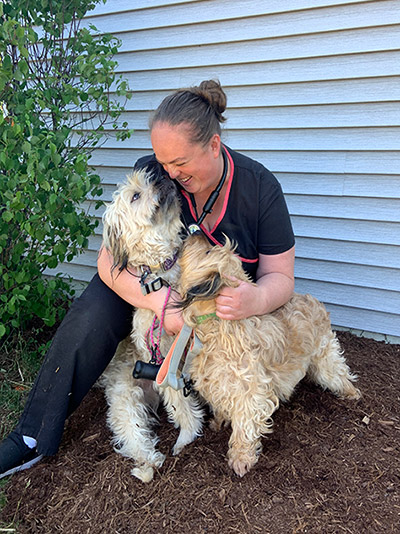
At Mancelona Veterinary Hospital, we understand the special place your pet has in your family and are dedicated to becoming your partner in your pet’s health care. We can relate through the bond that we have with our own pets. Ever since our hospital opened its doors in 1997, our goal has been to practice the highest quality medicine and surgery with compassion and an emphasis on educating our clients. Our entire veterinary team is committed to providing personal attention to the unique concerns of each individual pet owner.
Our Services
Complete Veterinary Care in Mancelona, MI
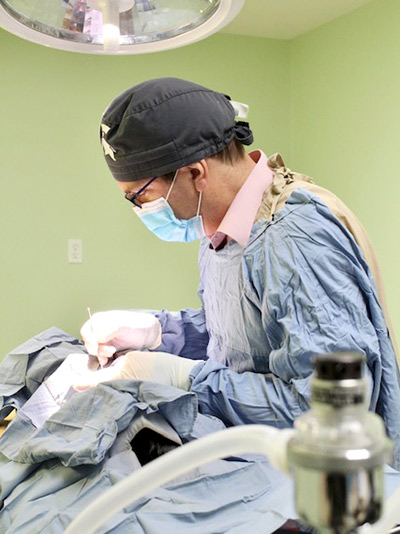
Our services and facilities are designed to assist in preventative care for pets of all ages. Early detection and treatment of diseases as a pet ages—along with complete medical, surgical, and emergency care during their lifetime—is our top priority.






Our Reviews
Kind Words From Our Clients
We love our patients and their families and the trusting relationships we build as their veterinarian. Thank you for making Mancelona Veterinary Hospital one of the highest-rated veterinary hospitals in northern Michigan!
“Mancelona Veterinary Hospital is a great vet office. I trust Dr. Ackler with everything regarding my pet. I wouldn’t hesitate to take your pets to them.”
“We had the best experience here. The staff were all very friendly and helpful. Dr. Ackler was so awesome! He greeted our puppy and it made our puppy so relaxed with him. He took his time with us and answered all our questions, which made us relaxed also. We know we made an excellent choice. The waiting room is very clean and the examination rooms were clean as well. We drove an hour to see him and it is well worth it. I would highly recommend Mancelona Veterinary Hospital.”
Client Forms
Find and fill out the forms you’re looking for. All online. All in one place.
Our Team
Your Dedicated Partner in Your Pet’s Health
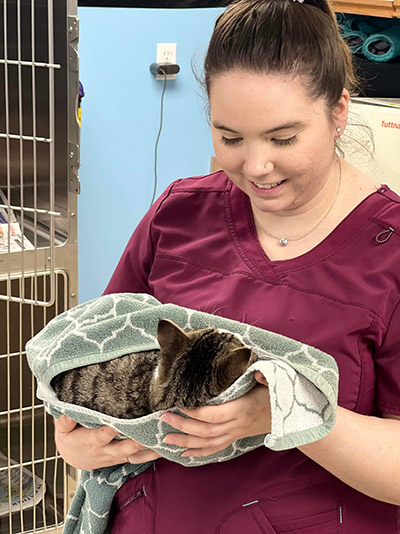
Our veterinary team is committed to going above and beyond. We proudly and consistently provide exemplary service and individual care to our clients and their pets.